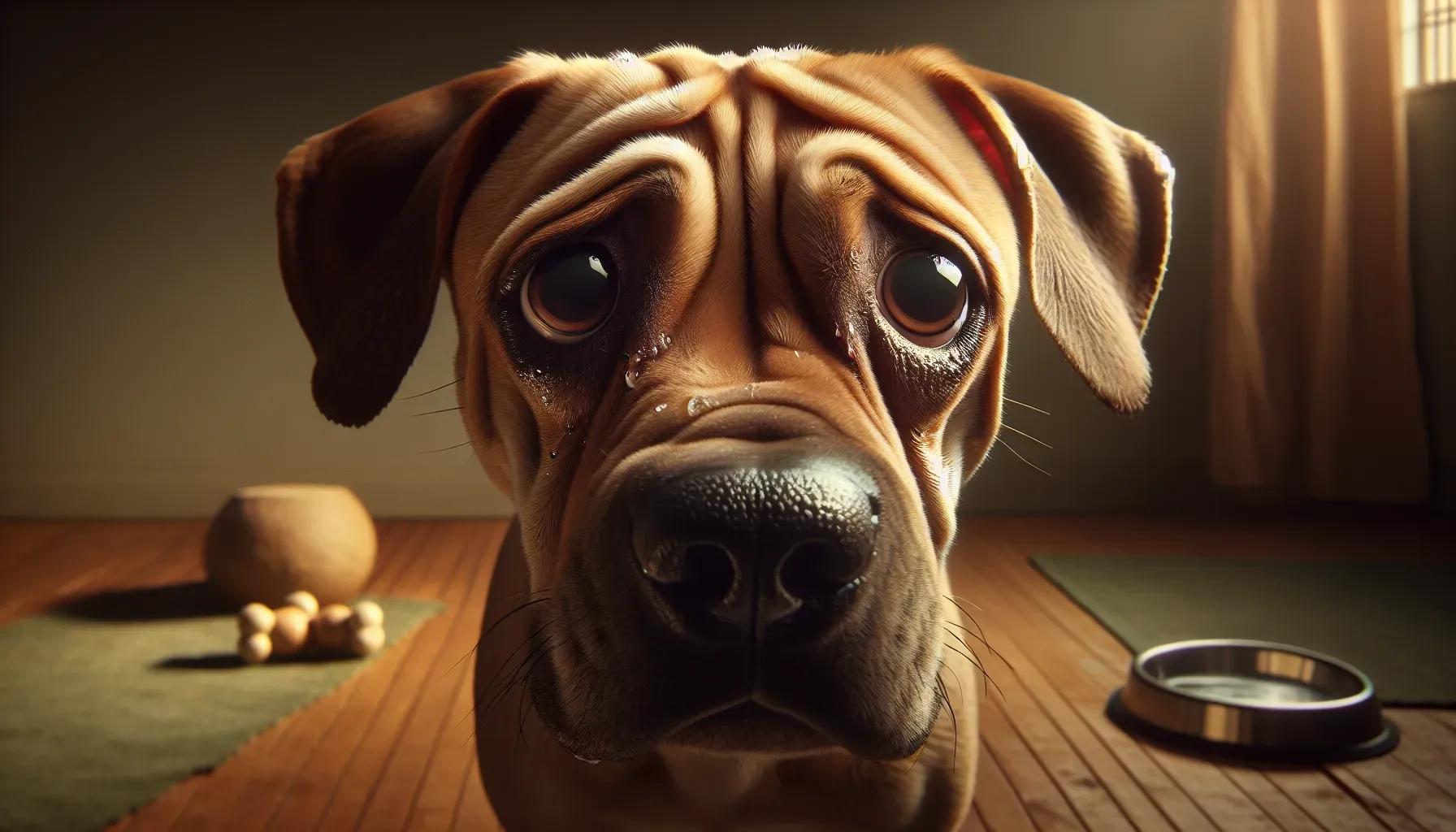

7 Signs of Stress Or Anxiety in Pets and Subtle Cues to Watch for
Unraveling the hidden language of pets under stress, this article decodes the subtle signs and behaviors that point to anxiety. With contributions from seasoned veterinarians and animal behaviorists, it equips pet owners with the knowledge to understand their furry friends' silent cries for help. Packed with expert-backed insights, it's an essential guide to maintaining the emotional wellbeing of four-legged companions.
- Spot Subtle Changes in Pet Behavior
- Watch for Shifts in Daily Routines
- Listen for Increased Pet Vocalization
- Recognize Excessive Panting as Distress Signal
- Understand Sudden Aggression's Hidden Meaning
- Identify Restlessness as Anxiety Indicator
- Monitor Changes in Pet Sleep Patterns
Spot Subtle Changes in Pet Behavior
I once noticed subtle changes in my own pet's behavior that made me realize how easily stress can go unnoticed. For example, when my cat became anxious after a move, she started refusing her favorite meal and began over-grooming - a sign that many owners might miss. I observed her sitting in a corner with her ears pinned back and tail twitching ever so slightly, all signals of underlying unease.
Other subtle cues include changes in routine: a pet that suddenly hides more than usual or avoids interacting during playtime. Even small shifts in body language - such as dilated pupils or a slight hunch - can indicate that your furry friend is experiencing stress.
Takeaway:
Pay close attention to your pet's normal behavior. If you notice even minor changes in eating habits, grooming patterns, or body language, it might be time to offer extra comfort and reassurance. Recognizing these subtle signs early can help you create a calmer, more secure environment for your pet.

Watch for Shifts in Daily Routines
Recognizing stress or anxiety in pets is crucial for maintaining their health and well-being, but it can sometimes be challenging because they can't tell us how they feel. Often, pets exhibit stress or anxiety through changes in behavior that might not immediately signal distress to an untrained eye. For example, a dog might start to chew on furniture or other inappropriate objects, while a cat might hide more than usual or over-groom themselves, leading to bald patches. Other subtle signs include excessive panting, shaking, or clinging behavior, which could be easily overlooked during daily routines.
Another less obvious sign could be a change in eating habits; some pets might eat less when they're stressed or might gulp their food down too fast. Supervising how your pet interacts with others can also reveal signs of discomfort like increased aggression or sudden fearful behavior when encountering strangers or other animals. It is essential to consider these behaviors within the context of what is normal for your pet, and any persistent changes should be discussed with a vet. Recognizing and addressing these signs early can prevent more severe health issues and improve the quality of life for your furry friend.

Listen for Increased Pet Vocalization
Pets often communicate their stress or anxiety through increased vocalization. This can manifest as excessive barking in dogs or constant meowing in cats. Such behavior is a clear indication that the animal is trying to express discomfort or unease.
The change in vocalization patterns may be subtle at first, but it tends to escalate if the underlying cause is not addressed. It's crucial for pet owners to pay attention to these vocal cues and not dismiss them as mere noise. If a pet's vocalization has noticeably increased, it's time to investigate the potential sources of stress in their environment and consult with a veterinarian for guidance.
Recognize Excessive Panting as Distress Signal
Excessive panting in animals is a common sign of stress or anxiety that pet owners should be aware of. While panting is normal for dogs to cool down after exercise or in warm weather, prolonged or heavy panting without an apparent physical cause can indicate distress. This behavior might be accompanied by other subtle signs such as dilated pupils or a furrowed brow.
In cats, panting is less common and could be a more serious indicator of stress or even a health issue. Pet owners should monitor the frequency and intensity of their pet's panting, especially in calm or cool environments. If excessive panting persists, it's important to seek professional advice to ensure the pet's well-being.
Understand Sudden Aggression's Hidden Meaning
Sudden aggression in pets can be a surprising and concerning sign of distress. A normally friendly dog or cat that begins to growl, hiss, or snap without provocation may be experiencing anxiety or stress. This behavioral change often stems from fear or discomfort rather than true aggression. The animal might be trying to create distance from a perceived threat or communicate that it feels overwhelmed.
It's important to note that this behavior can develop gradually, with subtle signs preceding the more obvious aggressive displays. Pet owners should pay attention to changes in their pet's body language and reactions to various stimuli. If a pet shows signs of unexpected aggression, it's crucial to consult with a veterinarian or animal behaviorist to address the underlying cause.
Identify Restlessness as Anxiety Indicator
Restlessness in animals is a subtle yet significant indicator of unease or anxiety. A pet that can't seem to settle down, constantly paces, or frequently changes positions may be experiencing stress. This behavior might be accompanied by other signs such as excessive grooming or destructive actions. Restlessness can be particularly noticeable at night when pets should be sleeping soundly.
It's important to observe if this behavior is out of character for the pet and if it persists over time. Environmental changes, new routines, or health issues could all contribute to a pet's restlessness. Pet owners should create a calm, safe space for their animals and consider potential stressors in their environment. If the restless behavior continues, seeking professional advice is recommended to ensure the pet's comfort and well-being.
Monitor Changes in Pet Sleep Patterns
Unusual sleep patterns in pets can be a subtle yet telling sign of anxiety or stress. A dog or cat that suddenly starts sleeping more than usual, or conversely, seems unable to sleep soundly, may be experiencing mental distress. These changes in sleep behavior might be accompanied by other signs such as restlessness during sleep or choosing unusual sleeping locations. It's important to note that pets, like humans, require consistent and quality sleep for their overall health and well-being.
Disruptions in sleep patterns can affect their mood, energy levels, and even their immune system. Pet owners should pay attention to their animal's sleep habits and any significant changes. If unusual sleep patterns persist, it's advisable to consult with a veterinarian to rule out any underlying health issues and address potential sources of stress in the pet's life.